
So you don’t want to live near a well pad? A guide to SWPA homebuying

There are few life experiences that are more exciting and stressful than buying a home. Whether it’s your first time or the fourth, a new construction or 100+ years old, houses have secrets, and buyers have limited tools to discover them. Shale gas development (SGD) adds an additional layer of complexity to this big decision.

Property located over the Utica and Marcellus shale gas plays in Pennsylvania, Ohio, and West Virginia, may be near shale gas extraction sites. Since well pads aren’t always visible from the front door, we’ve compiled some essential information buyers should know before purchasing a home in “frackland,” a term often used to describe areas where hydraulic fracturing (commonly referred to as "fracking") is heavily concentrated. Although most of the resources and examples featured here are specific to Pennsylvania, some of the following recommendations are applicable to homebuyers across the United States.
Finding shale gas infrastructure
Some types of shale gas infrastructure can be located anywhere. In fact, they may go entirely unnoticed to the untrained eye. The following section provides an overview of the health risks associated with some of the most common shale gas facilities, how to spot them, and resources for tracking them.
Pipelines
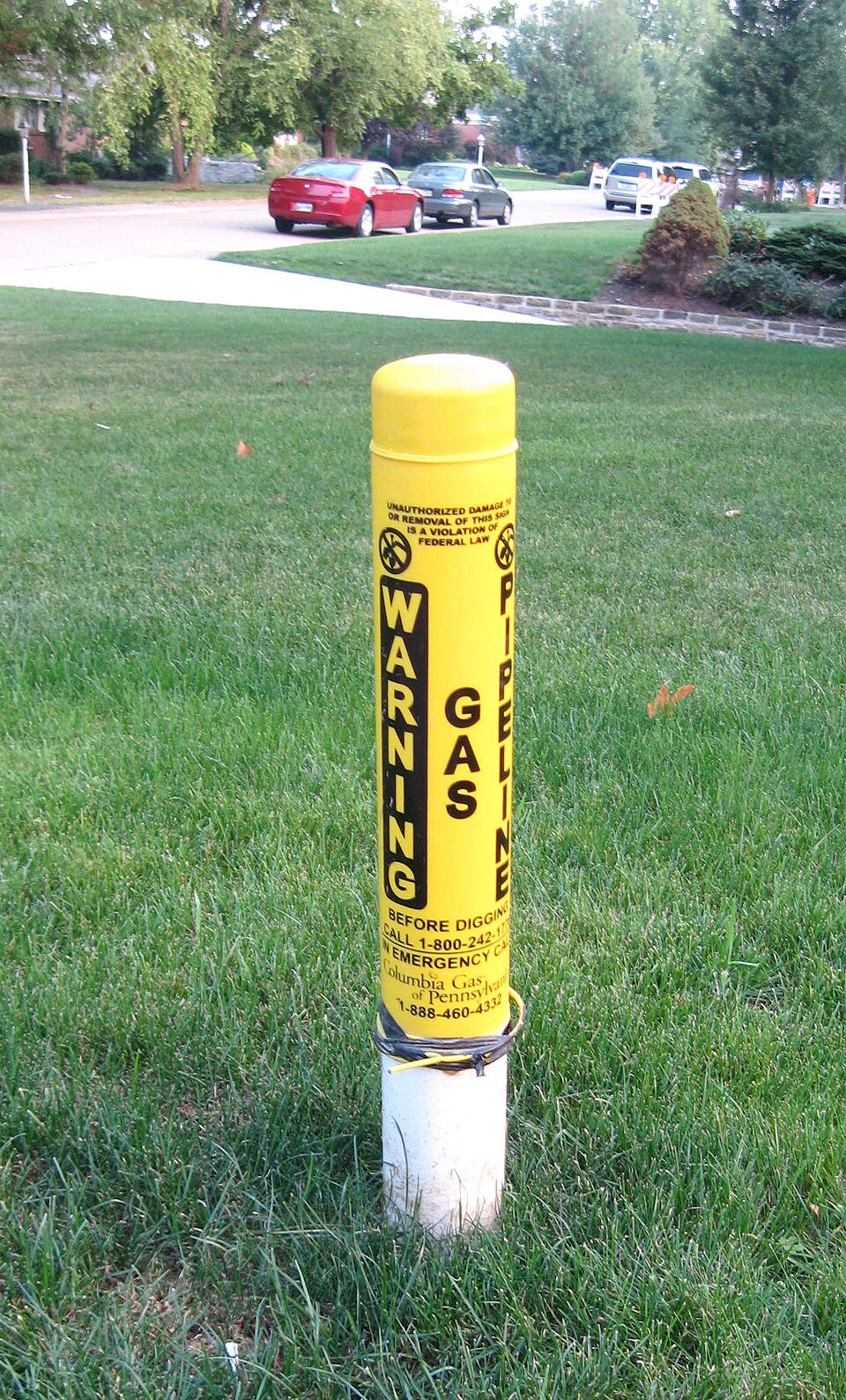
Pipelines transport petroleum products, shale gas, and even carbon dioxide from extraction sites to processing plants and, eventually, end-users. But pipelines leak. According to an analysis by the Environmental Defense Fund, each year shale gas pipelines across the nation are leaking as much as 2.6 million tons of methane, a potent greenhouse gas that is responsible for trapping heat in the atmosphere and contributing to climate change. Also, because shale gas is explosive, pipelines transporting shale gas increase the risk of an industrial incident, such as a pipeline explosion in a residential area.
Nearly 3 million miles of pipelines crisscross the United States, but their presence near homes and other places where people gather is not always easy to detect. Pipeline rights-of-way are marked with white or colored plastic tubes. These pipeline markers show the general location of underground pipelines, but they don’t indicate how many pipelines there are or at what depth. Since markers are not precise, homeowners should always call to have utility lines marked before digging. A pipeline marker will have a label that reads “caution,” “warning,” or “danger.” It will also show the product being transported, the name of the operator, and an emergency number. This map can help to identify pipeline routes in prospective neighborhoods.
Compressor Stations
Along the pipelines discussed above, compressor stations are strategically situated to increase pressure within the pipelines, pushing gas over long distances. Nationwide, there are more than 1,300 compressor stations. They typically resemble metal-clad buildings with valve stations and tanks. The size of a compressor station varies based on how many engines are being used to increase pressure in the pipeline. These engines emit constant pollution in the form of engine exhaust, but operations at compressor stations also include flaring and intermittent releases of pipeline gasses, called “blowdowns.” Blowdowns are necessary to perform maintenance, but they also occur during an emergency, releasing every chemical within a limited segment of pipeline into the atmosphere. Living near a compressor station introduces risks to health, such as respiratory and cardiovascular diseases.
You can learn more about the health risks of pipelines, compressor stations, and planned emissions in other EHP blog posts.

Well pads
Well pads are large, level areas covered in gravel, from where drilling and hydraulic fracturing are performed for the purpose of extracting fossil gas. Southwestern Pennsylvania’s topography makes well pads tough to see from street level. Satellite overviews, however, reveal some of this infrastructure. The well pad and access road should appear light gray, making them easier to spot.
When in doubt, zoom in. The well heads and tanks on a pad in production will be visible, as shown in the image below.

These satellite visuals also provide an easy way to measure the distance between a well pad and nearby homes. The regulated distance between a well pad and a dwelling differs from state to state. In Pennsylvania, for example, the setback distance is 500 feet. Peer-reviewed studies indicate that proximity to shale gas facilities increases the risk of health consequences, such as anxiety, headaches, fatigue, skin rashes, asthma, and birth defects. Recognizing that there is no established “safe” distance from this infrastructure, EHP recommends a minimum setback distance of 3,281 feet for small well pads; for more information, see EHP’s Position Statement on Setback Distances.
Predicting the future (of shale gas developments)
In Pennsylvania, municipalities are given broad powers to regulate where shale gas infrastructure is located, not if it is allowed. Fracking must be allowed somewhere in the municipality, but local governments can control the location by using zoning districts and their code of ordinances.
Follow these steps to locate the ordinances governing your home or prospective property in Pennsylvania:
Locate the municipality by address using this site. Note: the City of Pittsburgh banned drilling within city limits.
The search will display the PA municipality, county, and school district.
Navigate to the municipality’s website.
Type the name of the municipality into a search engine.
Confirm that the municipality’s physical address is near your home or prospective property.
Search the municipal website to:
locate the municipality’s code of ordinances and zoning map online, and
find agendas, meeting minutes, or other documents indicating an application for oil and gas infrastructure has been recently received or approved by the municipality.
If these documents are not available online, or if they are not easy to find, call the municipality to ask for the oil and gas ordinance, zoning map, Act 14 Municipal Notification letters, and details on any approved oil and gas development in the past year.
The municipality may ask you to file an official Right to Know request. Details on how to file a Right to Know request are available in the Environmental Integrity Project’s Pennsylvania Citizen’s Toolkit.
Once you have access to these resources, use the oil and gas ordinance provisions along with the zoning map to look for the following:
An oil and gas well site shall be permitted in _______ zoning districts.
Likewise, natural gas compressor stations, processing plants, injection wells, and other infrastructure will be permitted in certain zoning districts.
Identify the permitted zoning districts on the zoning map and their proximity to your property or the zone where your home is located.
Determine the setback distance to the well site or other infrastructure.
Setbacks can range from very minimal (PA’s state minimum 500 feet) to a more protective distance enacted by the municipality.
Following the steps provided above, it is possible to determine where a well pad or other shale gas infrastructure could be located. Even if there are no well pads, or even proposals for well pads, at a given location, one could be built on the site in the future. This status doesn’t mean a well pad will be built, but it’s helpful to understand how close SGD could occur in proximity to your home.
BONUS RESOURCE: Allegheny County home buyers can look to FracTracker Alliance’s Allegheny Lease Mapping Project to identify areas with extensive subsurface gas leasing. Areas with significant parcels of property already leased by gas companies are more prone to drilling than areas where leases have not been signed.
Split Estate
Now that you’ve located existing well pads and identified areas where potential new developments could occur, hopefully you’ve found a Pennsylvania dream home that’s set back a comfortable distance from fracking. The time for negotiating the sale is at hand. You’re buying a house and a yard, but do you know if you’re buying the resources underneath them?
In Pennsylvania, surface rights can be sold separately from subsurface rights. Surface rights include the house, garage, trees, and gardens. Subsurface rights include oil, gas, coal, and any other mineral that might be underground. Cases where one party owns the surface while another owns the subsurface is called a “split estate.” Disclosure statements and the sales agreement should spell out what is included in the purchase of your new home and property. Plus, SWPA realtors should be well versed in the topic. In some complicated cases, it may be necessary to involve an attorney to work out the status of the subsurface rights.
Much like proximity to SGD, only you can decide your comfort level with owning property where someone else retains the mineral rights. If you’re purchasing acreage, not having those mineral rights might result in a loss of potential income because you will not be able to make decisions about, or collect royalties from, a gas lease. Additionally, if your aim is to prevent drilling near your residence, you won’t have the legal authority to deny leasing rights to a drilling company, which could result in SGD near your home. The leasing decision rests with whoever owns the subsurface rights.
Other Concerns

Radon
During the homebuying process, you’ll be offered an opportunity to have the home tested for radon. Radon is a naturally occurring radioactive gas that is the second-leading cause of lung cancer in the United States, after smoking. It is a product of the natural radioactive decay of uranium in rocks and soil. Radon is odorless and colorless. Although it can disperse easily outdoors, radon enters homes through cracks and holes in the foundation, reaching levels that can be harmful to human health. Pennsylvania homes in particular, regardless of age and distance from SGD, can have high levels of radon.
Radon tests performed as part of a real estate transaction are short-term tests that can be waived by the buyer. Depending on the time of year, the test may not flag a radon problem, so testing periodically during different seasons is recommended.
Mine Subsidence
In addition to large shale gas reserves, Pennsylvania is also the third largest coal-producing state in the country. Southwestern Pennsylvania is extensively undermined, meaning that coal was extracted, leaving open voids underground. These mines can collapse, causing damage to structures on the surface and endangering lives. If you are concerned about mines near your property, relatively inexpensive insurance is available to cover losses caused by mine subsidence. You can check the status of your property and obtain insurance here.
For more information, the Pennsylvania Department of Environmental Protection (DEP) compiles regular reports detailing damage to land, structures, and water sources caused by abandoned and active mines.

Conclusion
The old proverb, “you don’t know what you don’t know,” might well have been written about home buying. One minute you’re admiring a cute porch; the next you’re comparing three quotes to rip out lead pipes. It’s wonderful and terrible.
Pennsylvania communities have the added burden of well pads, compressor stations, pipelines, pigging stations, valve stations, and injection wells, along with legacy mining, abandoned gas wells, active longwall mining, data centers, and the petrochemical buildout. And these are just the things we know about at this time! Armed with a fair understanding of zoning and the ability to spot infrastructure on a satellite map, you’re better prepared to find a place to call home at a distance from SGD that feels right to you.
Many residents and home buyers feel that increased statewide protective buffers or setbacks would help give them peace of mind. If you’d like more information about the distance between homes and well pads, the Protective Buffers PA campaign invites you to save the date — October 7th, 2026 — for an event at the Pennsylvania Capitol in Harrisburg. This fall will mark the 2-year anniversary of submitting the campaign’s rulemaking petition to the Environmental Quality Board. Once again, Protective Buffers PA is going to remind the DEP and Governor Shapiro that Pennsylvania needs increased drilling setbacks now. The event will begin at 12:30 p.m. in the Capitol Rotunda. Click here for more details and registration for free transportation from the Monroeville Park and Ride. |


