
Planned Shale Gas Emissions and Your Health

Pipelines and compressor stations leak. In fact, the Pipeline and Hazardous Materials Safety Administration recorded 27,175 incidents in 2025. But did you know that routine maintenance of shale gas infrastructure releases dangerous emissions too?
Pipeline Maintenance
Pipelines transport petroleum products, shale gas, and even carbon dioxide from extraction sites to processing plants and, eventually, end-users. Owing to the volatile nature of the materials transported in pipelines, frequent inspections are necessary to identify leaks, corrosion, and structural deficiencies.
Above ground segments can be inspected visually from the outside, but for a complete assessment and for pipelines buried underground, it’s necessary to look inside the pipe. The oil and gas industry uses devices called “pigs” to inspect and clean pipelines.
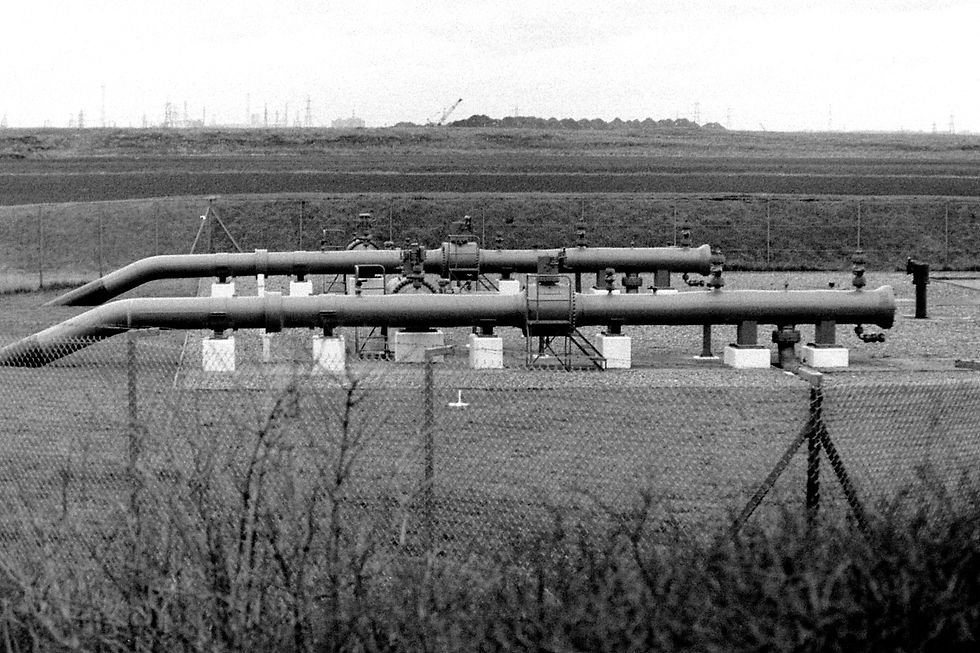
Why is it called a pig? Early oilfield workers noted a squealing sound when using rudimentary devices (metal disks, bundles of straw, leather) to clean pipes. This colloquial use of the term pig was later codified as an acronym meaning “Pipeline Inspection Gadget” or sometimes “Gauge.” | Pig Launchers, Pig Receivers, and Pig Traps A pig launcher offers a place to introduce and propel the pig into the pipeline. Conversely, the pig receiver is the access point to remove the pig from the system. Both the launcher and the receiver are considered part of the pig trap system. Opening a hatch to insert or remove a pig results in a potential loss of methane, a greenhouse gas that contributes to climate change and harms human health. |
Compressor Station Maintenance
When shale gas moves through a pipeline, distance, friction, and elevation differences inhibit the flow of the gas. Compressor stations, located every 50-60 miles along gas pipelines, increase pressure to help push the gas through the pipeline to the next station. This increased pressure can also be necessary at well pads because wellhead pressure decreases as wells age and production declines. Depending on the location of the compressor station and its purpose, the facility can vary in size from a single engine on a well pad to a large facility with pipeline valve stations and multiple engines enclosed in buildings.

Compressors are complex machines that work continuously and require maintenance. Operators routinely take compressors offline to test emergency shutdown mechanisms and perform maintenance. Compressor stations might also be cycled on and offline to meet changes in demand depending on where the shale gas is being delivered. When this necessary shut down process occurs, the pressure of the gas in the system must be reduced by venting the gas out of the pipeline in a process known as a blowdown.
What is a “compressor blowdown?”
Depressurizing the shale gas in a compressor requires venting the gas from both the compressor engine and the pipelines connected to it. The volume of gas released depends on the amount of pressure in the pipeline, the size and length of the section of pipeline, and the size of the compressor. Valves isolate the specific length of pipe and the compressor that get depressurized for maintenance. These isolation valves leak a negligible amount during regular operation, but they leak at an increased rate during maintenance periods when the compressor is shut down.
How do these planned emissions impact your health?
Emissions from shale gas development, whether planned or unplanned, are released sporadically, not at a constant rate. “Spikes” or “peaks” refer to time periods of heightened emissions. Spikes in emissions can last for up to half a day, but studies show that even a few minutes of exposure may cause health symptoms. When peak emissions occur, people near shale gas development face extreme exposure, which can trigger health problems or make them worse.
Health effects reported around shale gas infrastructure are associated with respiratory diseases, such as asthma and increased hospitalizations in older adults for cardiovascular and respiratory disease. A 2018 study found that children and adolescents exposed to shale gas pollution had greater odds of being hospitalized for asthma compared to unexposed children and adolescents. These hospitalization incidents continued for years after drilling initially began, suggesting that exposures continue even after drilling has ended and wells are in operation. The most common health problems reported to EHP from people living near these sites in southwestern Pennsylvania include respiratory problems, headaches, skin rashes, and nausea. For a full list of health impacts, refer to EHP’s fact sheet, Health Impacts of Shale Gas Development: A Collection of Research.
What can you do to protect yourself?
In order to reduce your risk of health problems from emissions peaks, you can:
pay attention to outdoor air quality and close your windows or stay inside when conditions warrant,
take steps to improve indoor air quality,
look up symptoms using EHP’s Compounds of Concern tool to inform discussions with your healthcare provider, and
contact your municipality and the operator of any local compressor stations to request notification ahead of blowdowns or pipeline inspections.
For more information on how operators should be reducing emissions during planned maintenance, including detailed descriptions of these processes, check out the EPA’s STAR program for pigging and compressor station blowdowns.


