
Air Pollution Health Hazards from Non-Hazardous Waste Landfills

Updated: May 20
For a more consolidated presentation of this information to share with concerned stakeholders, check out this fact sheet, which is free to share, print, and distribute.
We rarely think about waste beyond disposal. As the saying goes: “Out of sight, out of mind.” But this expression does not apply to residents living near landfills, who continuously endure the nuisance of noise and odors. Plus, landfills pose health hazards for communities at large who may not even be aware of the threat. Although the landfill in your region may be out of sight—and smelling distance—you should still mind the pollutants permeating your environment. Hazardous substances may escape beyond the landfills that contain them, spreading through air and water, affecting communities well beyond the dump site.
A Note on Leachate
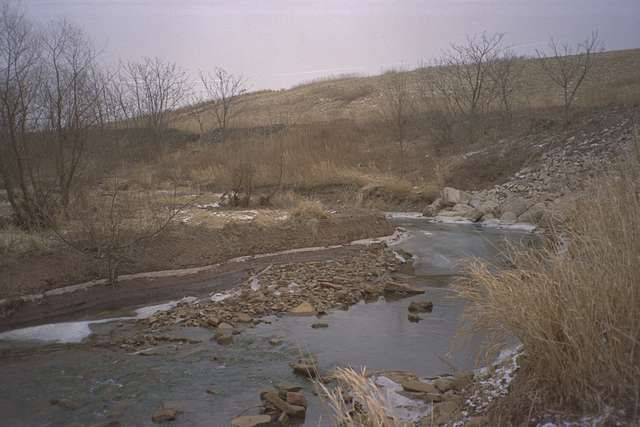
Leachate is a landfill byproduct created when toxic substances leach into water, such as rainwater and runoff, as it flows through landfills and into surface waters and public sewage treatment plants. Concerns are heightened around landfills that accept oil and gas drilling waste, which contains radioactive materials that are spread through leachate. Consequently, in New York, legislators restricted landfills from accepting fracking waste—which was mostly shipped from Pennsylvania.
In January 2026, the Pennsylvania Department of Environmental Protection (DEP) released a report claiming their studies "did not identify any levels of radiation associated with the landfill radium leachate investigation that raised concern for environmental protection or public health and safety" However, Dan Bain, associate professor of geology and environmental science at the University of Pittsburgh, voiced skepticism about the DEP's conclusions, citing problems with their methodology: they did not analyze the proper sediments to accurately measure radium levels in landfill leachate. Similarly, John F. Stolz, professor of biological sciences at Duquesne University, indicates a series of flaws in the DEP's methodologies, ranging from radioactive control samples to industrial standards that do not apply to landfills. To learn more about leachate, please refer to EHP’s fact sheet: Health Risks from Shale Gas Waste.
While leachate continues to be a concern for the ways in which oil and gas byproducts may be harmful to water supplies, communities should also be aware of the landfill gases that may cause health symptoms and impede quality of life.
Air Quality Impacts
Non-hazardous waste landfills, sometimes called municipal solid waste landfills or sanitary landfills, are areas designated to receive and hold everyday trash, such as food waste, packaging, household goods, waste from local businesses, and certain non-hazardous industrial materials. Although they are dubbed “non-hazardous,” these landfills are allowed to accept toxic waste from the oil and gas industry in states like Pennsylvania and to generate a wide variety of air pollutants, including criteria air pollutants (those that are most common and therefore require standards to moderate emissions, as established by the Clean Air Act). Moreover, in September 2025, the Environmental Protection Agency (EPA) proposed to eliminate the Greenhouse Gas Reporting Program, which would undermine protections that aim to reduce exposure to methane and other hazardous pollutants.
These facilities are a major and enduring part of the nation’s waste‐management infrastructure—and they are significant contributors to local pollution. According to the U.S. Environmental Protection Agency (EPA), approximately 292.4 million tons of municipal solid waste was generated in 2018, equivalent to about 5 pounds per person per day in the United States. Of that total, 146 million tons of municipal solid waste was dumped into landfills in 2018—roughly 50% of the total waste generated that year. These landfills may also accept waste from hydraulic fracturing or “fracking,” including drilling fluids, drill cuttings, fracking fluid returns, and produced water. The EPA’s Landfill Methane and Project Database (LMOP) tracks more than 2,600 non-hazardous waste landfills, both active and closed, across the country. According to this database, while the number of active non-hazardous waste landfills has declined from over 6,000 in 1990 to about 1,540 in 2013, the quantity of waste has increased, leading to larger landfill sites despite there being fewer in number. Moreover, according to data from the Environmental Defense Fund, a large number of landfills across the country may actually be under-calculating their emissions, so the true amount of emissions impacting nearby communities may be higher than reported.

Because the nature of these landfills is that they remain open for decades, and because closed landfills continue to generate landfill gases and other emissions, the potential for long‐term air pollution exposure and health risks to nearby residents is significant. Operators can mitigate air pollution potential by making use of available technologies, including installing gas collection and control systems, using effective biocovers, supporting ongoing emissions monitoring, and ensuring better waste diversion and separation. Methane, a potent greenhouse gas emitted from landfills, can trap around 80 times more heat in the atmosphere than carbon dioxide across a 20-year time span. According to a Carbon Mapper study, "landfills are considered the third largest source of human-caused methane emissions in the U.S., responsible for 14.3% of methane in 2021 and emitting the equivalent to the greenhouse gas emissions from nearly 23.1 million gasoline-powered passenger vehicles driven for one year." As such, landfills' contributions to climate change are demonstrably outsized, and further landfill expansion threatens to increase this impact.

Potential health effects of exposure to nearby landfills
From a health and air-quality standpoint, landfills raise multiple concerns. First, these sites generate a unique combination of pollutants, called landfill gases; these are mainly composed of methane and carbon dioxide, but may also contain nitrogen, ammonia, sulfides, hydrogen, carbon monoxide, and, in some cases, dangerous carcinogenic volatile organic compounds (VOCs), such as benzene and vinyl chloride, primarily from reactions between chemicals disposed of in the landfill waste stream. Landfill gases are produced through microbial and chemical processes occurring in the landfill: as material in the landfill decomposes, several reactions take place to produce different compounds (explained in more detail in the following section).
A study on communities near landfills found toxic emissions, including polychlorinated dioxins/furans, PCBs, PAHs, benzene and vinyl chloride. Exposure to these toxics through passive emissions and active processes, such as flaring, impact nearby communities and residents, particularly through inhalation of VOCs and fine particulates, causing
respiratory irritation,
exacerbation of asthma, and
possible neurological or carcinogenic risks over the long term.
The following chart details individual pollutants and their health risks.
Pollutant Type | Characteristics | Short-Term Effects | Long-Term Health Risks |
|---|---|---|---|
Volatile Organic Compounds (VOCs) Includes benzene, toluene, vinyl chloride, and hydrogen sulfide (H₂S), chemicals that are linked to cancer, headaches, nausea, and respiratory irritation. Flaring of landfill gas can also emit VOC (BTEX, alkanes), in addition to NOx and PM2.5, from incomplete flaring. | VOC concentrations can fluctuate daily with weather, wind, and operational activity. | Headaches, nausea, eye and throat irritation | Cancer, neurological damage, liver/kidney disease |
Fine Particulate Matter (PM2.5) and Dust Refer to EHP’s Particulate Matter and Shale Gas Development fact sheet.
|
| Coughing, shortness of breath, asthma attacks | Chronic bronchitis, heart disease, premature death |
Methane and CO₂ Methane is a potent greenhouse gas with 80 times the heat-trapping power of CO₂ over a 20 year time span. Methane leaks also co-emit VOCs (above) that severely impact nearby air quality. | Methane production increases with rise in temperatures as landfill waste decomposes more quickly in higher temperatures, such as the summer months. | Dizziness, fatigue, suffocation at high concentrations | Aggravates respiratory illness; fire/explosion risk (methane) |
PFAS (Perfluoroalkyl and Polyfluoroalkyl Substances)
|
| None immediately noticeable | Hormone disruption, immune suppression, reproductive toxicity, cancer |
Odors |
| Headaches, stress, sleep disruption | Mental health impacts from chronic nuisance exposure |

Furthermore, truck and heavy vehicle traffic at landfill sites also contribute to health hazards as diesel-powered trucks and compactors emit health-harming pollution, such as CO, NOₓ, SO₂, and PM2.5, and SO₂. Traffic-related air pollution increases during peak dumping hours and may affect the air quality at nearby schools and homes, in addition to the inherent nuisance of landfill odors and dust affecting air quality. A 2025 South African survey found 40% of residents living near landfills described dust as a serious problem, compared to 4% of residents living farther away. Generally, evidence shows that quality of life decreases the closer one lives to landfills.
For more information on air pollutants, check out EHP’s latest interactive database: Compounds of Concern.
How landfill gasses form
Decomposing waste produces gases. There are a few reactions that occur to create landfill gases: bacterial activity, chemical reactions, and volatilization. Volatilization refers to the release of chemicals that occurs as a substance changes from a gas to liquid, or vice versa. Landfill gases typically form in four overlapping stages:
Phase I – Aerobic decomposition: Organic waste breaks down, releasing carbon dioxide (CO₂).
Phase II – Transition to anaerobic: Hydrogen (H₂) and more CO₂ are generated as oxygen is depleted.
Phase III – Acid formation: Anaerobic bacteria create acids that feed methane-producing microbes.
Phase IV – Methane generation: Methane (CH₄) and CO₂ are the dominant gas outputs, often for 20–50 years after waste is buried.
Because waste is deposited over time and in a relatively uncontrolled manner, it is important to know that multiple phases may occur at once, resulting in variable, long-term emissions that are difficult to predict.

Other factors in landfill gas exposure
Weather has a significant impact on the spread and potency of landfill gases. Weather patterns with low wind speeds can hinder pollutant dispersion, allowing particulates to hang in the air for longer or drift to nearby residential areas more readily. Conversely, high winds can also carry pollutants to more far-reaching areas where landfill gases would not typically be encountered. Finally, rainfall can affect how much dust is in the air around landfills because rain settles dust to the ground.
Seasonality is also a major factor as higher temperatures affect landfill activity. For example, in warmer months, decomposition accelerates as heat increases the rate at which landfill gas reactions occur. As a result, odor complaints often increase in summer. In dryer seasons, dust is a more prevalent nuisance as dust particles are more likely to be airborne.
What you can do
For Community Members
Understand ways you can track and limit pollution exposures, such as:
Report odor events to your city, county, or state-level environmental protection department. Emergency contacts, local and state legislators, organizations, and resources are available at EHP’s Where to Turn Directory.
Keep a symptom diary that notes the times, weather, and smells you experience to share with your medical provider.
For more information, please refer to EHP’s fact sheets:
Filter or ventilate indoor spaces when possible but avoid opening windows during odor events. Consult with ROCIS (Reducing Outdoor Contaminants in Indoor Spaces) on ways to address your indoor air quality.
Consult both of EHP’s premier, freely available tools:
Compounds of Concern is a searchable, interactive database of the symptoms and health impacts associated with chemical compounds commonly found in industrial air pollution. This tool can help those living near polluting facilities to understand what compound(s) may be causing their individual health symptoms, and to help advocates understand the health risks linked to air pollutants emitted from facilities.
AirView Public is a free tool that displays and analyzes data from community air monitoring projects. If an air quality monitoring network is available in the same region as a nearby landfill, contact EHP to add air monitors to AirView Public. This platform will allow the public to explore air quality readings in their area, identify pollution events, and see whether pollution events are widespread or local. It can help users understand whether a health event like a headache or asthma attack happened during a time of poor air quality. AirView Public can also help users see the impact of industrial activity they notice in their community.
Champion waste reduction and composting programs to minimize landfill use in the first place.

For Landfill Operators
Explore proactive measures to reduce negative public health impacts, such as:
Stop accepting oil and gas waste.
Implement continuous emissions monitoring for VOCs, methane, and PM2.5.
Conduct PFAS testing in landfill gas and leachate.
Install onsite pollution control devices to reduce air and water pollution.
Publicly disclose waste sources and landfill operation logs.
References
Agency for Toxic Substances and Disease Registry. (2001). Landfill gas basics. Landfill Gas Primer. Center for Disease Control. https://www.atsdr.cdc.gov/hac/landfill/html/ch2.html
Cusworth, D. H., Duren, R. M., Ayasse, A. K., Jiorle, R., Howell, K., Aubrey, A., Green, R. O., Eastwood, M. L., Chapman, J. W., Thorpe, A. K., Heckler, J., Asner, G. P., Smith, M. L., Thoma, E., Krause, M. J., Heins, D., & Thorneloe, S. (2024). Quantifying methane emissions from United States landfills. Science, 383(6690), 1499–1504. https://doi.org/10.1126/science.adi7735
Edelstein, K. (2020). New York State Closes the Fracking Waste Loophole. FracTracker Alliance. https://www.fractracker.org/2020/08/new-york-state-closes-the-fracking-waste-loophole/
Environmental Defense Fund. (2026). America’s hidden landfill emissions. https://landfills.edf.org/
Frazier, R. (2026). PA DEP says “no risk” from radioactive materials in fracking waste sent to landfills. The Allegheny Front. https://www.alleghenyfront.org/pa-dep-fracking-waste-landfills-radioactive-materials-study/
Garland, E., Alves, O., Wu, Y. (2025). Five ways to cut landfill methane pollution: How local governments can lead. Rocky Mountain Institute. https://rmi.org/5-ways-to-cut-landfill-methane-pollution-how-local-governments-can-lead/
Garthwaite, J. (2021). Methane and climate change. Stanford University: Doerr School of Sustainability. https://sustainability.stanford.edu/news/methane-and-climate-change-0
Njoku, P. O., Edokpayi, J. N., & Odiyo, J. O. (2019). Health and environmental risks of residents living close to a landfill: A case study of Thohoyandou Landfill, Limpopo Province, South Africa. International Journal of Environmental Research and Public Health, 16(12), 2125. https://doi.org/10.3390/ijerph16122125
Pan, Q., Liu, Q., Zheng, J., Li, Y., Xiang, S., Sun, X., He, X. (2023). Volatile and semi-volatile organic compounds in landfill gas: Composition characteristics and health risks. Environment International, 174, 107886. https://doi.org/10.1016/j.envint.2023.107886
Rischar, H. (2021). Pennsylvania DEP to require radiological testing of leachate at landfills. Waste Today. https://www.wastetodaymagazine.com/news/pennsylvania-dep-requires-radiological-testing-landfill-leachate/
Salami, L., & Popoola, L. T. (2023). A comprehensive review of atmospheric air pollutants assessment around landfill sites. Air, Soil and Water Research, 16(1). https://doi.org/10.1177/11786221221145379
Stolz, J. (2026). Radium in Pennsylvania Landfills. Sierra Club. https://www.sierraclub.org/pennsylvania/blog/2026/04/radium-pennsylvania-landfills
United States Environmental Protection Agency. (2026). Apply biofilters or biocovers. https://www.epa.gov/lmop/apply-biofilters-or-biocovers
Ibid. (2026). Criteria air pollutants. https://www.epa.gov/criteria-air-pollutants
Ibid. (2025). LMOP Landfill and project database. https://www.epa.gov/lmop/lmop-landfill-and-project-database
Ibid. (2026). Management of oil and gas exploration and production waste. https://www.epa.gov/hw/management-oil-and-gas-exploration-and-production-waste
Ibid. (2025). National overview: Facts and figures on materials, wastes and recycling. https://www.epa.gov/facts-and-figures-about-materials-waste-and-recycling
Ibid. (2025). Reconsideration of the greenhouse gas reporting program. Federal Register. https://www.federalregister.gov/d/2025-17923


